

 Reply With Quote
^^^^^^^^
Good stuff!

linkT Coronae Borealis last experienced an explosive outburst in 1946, and astronomers are keeping a watchful eye on the star system once more.[
“Most novae happen unexpectedly, without warning,” said William J. Cooke, NASA Meteoroid Environments Office lead, in an email. “However, T Coronae Borealis is one of 10 recurring novae in the galaxy. We know from the last eruption back in 1946 that the star will get dimmer for just over a year before rapidly increasing in brightness. T Coronae Borealis began to dim in March of last year, so some researchers are expecting it to go nova between now and September. But the uncertainty as to when this will happen is several months — can’t do better than that with what we know now.”
The star system, located 3,000 light-years from Earth and typically too dim to be seen with the naked eye, is expected to reach a level of brightness similar to that of Polaris, or the North Star.
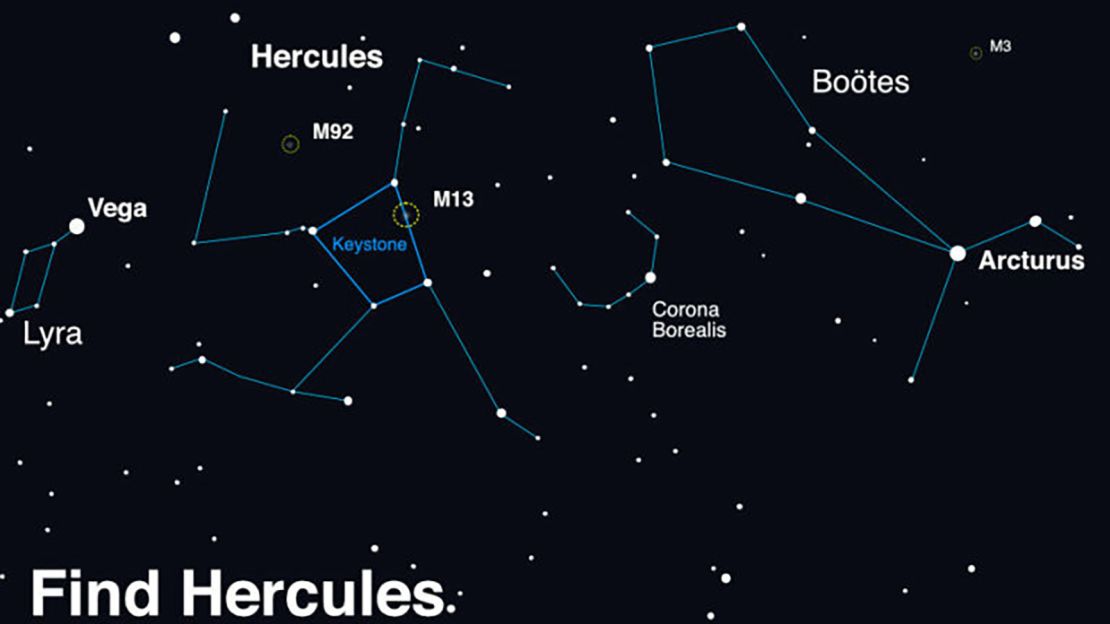
Once the nova peaks in brightness, it will be as if a new star has appeared — one that’s visible for a few days without any equipment and a little over a week with binoculars before it dims and disappears from sight for another 80 years or so. The nova will appear in a small arc between the Boötes and Hercules constellations, and will be visible from the Northern Hemisphere.
The nova is expected to appear in the Corona Borealis constellation, also known as the Northern Crown.

^^^^^^^^
Good stuff!

One of my favorite youtubers, Anton Petrov, did a video about this a few months ago.
Sad it's forecast to happen by September since our night skies don't really start clearing until October though.
Last edited by baseline bum; 06-11-2024 at 09:56 PM.
awesome vid, thx
There are currently 1 users browsing this thread. (0 members and 1 guests)
 Posting Permissions
