Page 1 of 2 12 LastLast
Results 1 to 25 of 27
  1. #1
    Saytowns Fawtbox King lebomb's Avatar
    Post Count
    10,747
    NBA Team
    San Antonio Spurs
    College
    UTSA Roadrunners


  2. #2
    Allenhu Joshbar DeadlyDynasty's Avatar
    Location
    Uzhhorod, Ukraine
    Post Count
    27,972
    NBA Team
    Los Angeles Lakers
    College
    Maryland Terrapins
    3/10

  3. #3
    :lol Gio IronMaxipad's Avatar
    Post Count
    6,322
    NBA Team
    Los Angeles Lakers
    College
    UCLA Bruins
    Freida Pinto

    Although i don't think she's from Afghanistan..

  4. #4
    00 06 12 13 20 21 32 44 5 bus driver's Avatar
    Location
    Here
    Post Count
    2,920
    NBA Team
    San Antonio Spurs
    College
    Notre Dame Fighting Irish

  5. #5
    LMAO koriwhat's Avatar
    Post Count
    41,642
    NBA Team
    San Antonio Spurs
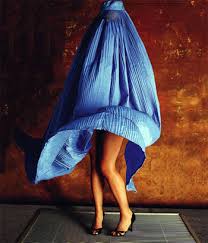
    i like 'em when they're wearing their boy shorts!

  6. #6
    Straya AussieFanKurt's Avatar
    Post Count
    8,065
    NBA Team
    San Antonio Spurs
    dayyyyyyyum

  7. #7
    :lol Gio IronMaxipad's Avatar
    Post Count
    6,322
    NBA Team
    Los Angeles Lakers
    College
    UCLA Bruins
    I bet she wears heels during sex.

  8. #8
    Mr. John Wayne CosmicCowboy's Avatar
    Location
    san antonio
    Post Count
    44,155
    NBA Team
    San Antonio Spurs

  9. #9
    Banned CubanSucks's Avatar
    Location
    Texas
    Post Count
    7,139
    NBA Team
    San Antonio Spurs
    Freida Pinto

    Although i don't think she's from Afghanistan..
    they're all the same, and yeah she is hot

  10. #10
    Believe. CubanMustGo's Avatar
    Location
    Back in the SATX, 43 years later
    Post Count
    10,567
    NBA Team
    San Antonio Spurs
    College
    Trinity Tigers

  11. #11
    Can you picture this? paparazzi's Avatar
    Post Count
    242
    NBA Team
    Los Angeles Lakers
    ^I was wondering when she'd show up.

  12. #12
    LMAO koriwhat's Avatar
    Post Count
    41,642
    NBA Team
    San Antonio Spurs
    old pedophile right there... ain't that chick in that particular photo only like 12? in' sick man!

    btw, did you see the do entary on her and the photographer that went out to search for her after taking her photo all those yrs ago? chick looks run down nowadays.

  13. #13
    Coulrophobia is Beautiful JayTheClown's Avatar
    Name
    Jay Clown
    Location
    Whoever takes me
    Post Count
    1,517
    NBA Team
    Dallas Mavericks
    I'd

  14. #14
    Banned CubanSucks's Avatar
    Location
    Texas
    Post Count
    7,139
    NBA Team
    San Antonio Spurs
    what's the story on this girl anyway? could someone please tell me already? I've seen her picture a million times before but never knew why

  15. #15
    Coulrophobia is Beautiful JayTheClown's Avatar
    Name
    Jay Clown
    Location
    Whoever takes me
    Post Count
    1,517
    NBA Team
    Dallas Mavericks
    her too

  16. #16
    Banned CubanSucks's Avatar
    Location
    Texas
    Post Count
    7,139
    NBA Team
    San Antonio Spurs
    until you saw her armpits and snatch

  17. #17
    Orange Whip? Orange Whip? Viva Las Espuelas's Avatar
    Name
    5 letters long
    Post Count
    19,497
    NBA Team
    San Antonio Spurs
    200TC is so sexy on a woman.

  18. #18
    My Favorite Faded Fantasy The Gemini Method's Avatar
    Location
    Long Beach, CA (LBC)
    Post Count
    10,168
    NBA Team
    Los Angeles Lakers
    College
    USC Trojans
    200TC is so sexy on a woman.
    Egyptian linen tbh, imho...

  19. #19
    Better than a dumb ass Smart Ass's Avatar
    Post Count
    630
    NBA Team
    San Antonio Spurs
    until you saw her armpits and snatch
    As in Madonna.

  20. #20
    Believe. CubanMustGo's Avatar
    Location
    Back in the SATX, 43 years later
    Post Count
    10,567
    NBA Team
    San Antonio Spurs
    College
    Trinity Tigers
    what's the story on this girl anyway? could someone please tell me already? I've seen her picture a million times before but never knew why


    http://ngm.nationalgeographic.com/20...irl/index-text

    She remembers the moment. The photographer took her picture. She remembers her anger. The man was a stranger. She had never been photographed before. Until they met again 17 years later, she had not been photographed since.

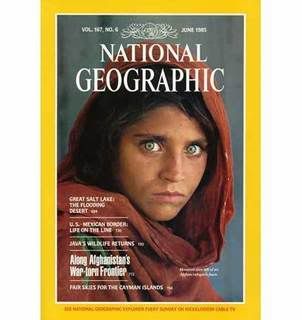
    The photographer remembers the moment too. The light was soft. The refugee camp in Pakistan was a sea of tents. Inside the school tent he noticed her first. Sensing her shyness, he approached her last. She told him he could take her picture. "I didn't think the photograph of the girl would be different from anything else I shot that day," he recalls of that morning in 1984 spent do enting the ordeal of Afghanistan's refugees.

    The portrait by Steve McCurry turned out to be one of those images that sears the heart, and in June 1985 it ran on the cover of this magazine. Her eyes are sea green. They are haunted and haunting, and in them you can read the tragedy of a land drained by war. She became known around National Geographic as the "Afghan girl," and for 17 years no one knew her name.

    In January a team from National Geographic Television & Film's EXPLORER brought McCurry to Pakistan to search for the girl with green eyes. They showed her picture around Nasir Bagh, the still standing refugee camp near Peshawar where the photograph had been made. A teacher from the school claimed to know her name. A young woman named Alam Bibi was located in a village nearby, but McCurry decided it wasn't her.

    No, said a man who got wind of the search. He knew the girl in the picture. They had lived at the camp together as children. She had returned to Afghanistan years ago, he said, and now lived in the mountains near Tora Bora. He would go get her.

    It took three days for her to arrive. Her village is a six-hour drive and three-hour hike across a border that swallows lives. When McCurry saw her walk into the room, he thought to himself: This is her.

    Names have power, so let us speak of hers. Her name is Sharbat Gula, and she is Pashtun, that most warlike of Afghan tribes. It is said of the Pashtun that they are only at peace when they are at war, and her eyes—then and now—burn with ferocity. She is 28, perhaps 29, or even 30. No one, not even she, knows for sure. Stories shift like sand in a place where no records exist.

    Time and hardship have erased her youth. Her skin looks like leather. The geometry of her jaw has softened. The eyes still glare; that has not softened. "She's had a hard life," said McCurry. "So many here share her story." Consider the numbers. Twenty-three years of war, 1.5 million killed, 3.5 million refugees: This is the story of Afghanistan in the past quarter century.

    Now, consider this photograph of a young girl with sea green eyes. Her eyes challenge ours. Most of all, they disturb. We cannot turn away.
    "There is not one family that has not eaten the bitterness of war," a young Afghan merchant said in the 1985 National Geographic story that appeared with Sharbat's photograph on the cover. She was a child when her country was caught in the jaws of the Soviet invasion. A carpet of destruction smothered countless villages like hers. She was perhaps six when Soviet bombing killed her parents. By day the sky bled terror. At night the dead were buried. And always, the sound of planes, stabbing her with dread.
    "We left Afghanistan because of the fighting," said her brother, Kashar Khan, filling in the narrative of her life. He is a straight line of a man with a raptor face and piercing eyes. "The Russians were everywhere. They were killing people. We had no choice."

    Shepherded by their grandmother, he and his four sisters walked to Pakistan. For a week they moved through mountains covered in snow, begging for blankets to keep warm.

    "You never knew when the planes would come," he recalled. "We hid in caves."

    The journey that began with the loss of their parents and a trek across mountains by foot ended in a refugee camp tent living with strangers.
    "Rural people like Sharbat find it difficult to live in the cramped surroundings of a refugee camp," explained Rahimullah Yusufzai, a respected Pakistani journalist who acted as interpreter for McCurry and the television crew. "There is no privacy. You live at the mercy of other people." More than that, you live at the mercy of the politics of other countries. "The Russian invasion destroyed our lives," her brother said.

    It is the ongoing tragedy of Afghanistan. Invasion. Resistance. Invasion. Will it ever end? "Each change of government brings hope," said Yusufzai. "Each time, the Afghan people have found themselves betrayed by their leaders and by outsiders professing to be their friends and saviors."
    In the mid-1990s, during a lull in the fighting, Sharbat Gula went home to her village in the foothills of mountains veiled by snow. To live in this earthen-colored village at the end of a thread of path means to scratch out an existence, nothing more. There are terraces planted with corn, wheat, and rice, some walnut trees, a stream that spills down the mountain (except in times of drought), but no school, clinic, roads, or running water
    .
    Here is the bare outline of her day. She rises before sunrise and prays. She fetches water from the stream. She cooks, cleans, does laundry. She cares for her children; they are the center of her life. Robina is 13. Zahida is three. Alia, the baby, is one. A fourth daughter died in infancy. Sharbat has never known a happy day, her brother says, except perhaps the day of her marriage.

    Her husband, Rahmat Gul, is slight in build, with a smile like the gleam of a lantern at dusk. She remembers being married at 13. No, he says, she was 16. The match was arranged.

    He lives in Peshawar (there are few jobs in Afghanistan) and works in a bakery. He bears the burden of medical bills; the dollar a day he earns vanishes like smoke. Her asthma, which cannot tolerate the heat and pollution of Peshawar in summer, limits her time in the city and with her husband to the winter. The rest of the year she lives in the mountains.
    At the age of 13, Yusufzai, the journalist, explained, she would have gone into purdah, the secluded existence followed by many Islamic women once they reach puberty.

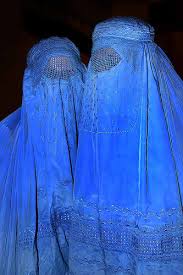
    "Women vanish from the public eye," he said. In the street she wears a plum-colored burka, which walls her off from the world and from the eyes of any man other than her husband. "It is a beautiful thing to wear, not a curse," she says.

    Faced by questions, she retreats into the black shawl wrapped around her face, as if by doing so she might will herself to evaporate. The eyes flash anger. It is not her custom to subject herself to the questions of strangers.
    Had she ever felt safe?

    "No. But life under the Taliban was better. At least there was peace and order."

    Had she ever seen the photograph of herself as a girl?
    "No."

    She can write her name, but cannot read. She harbors the hope of education for her children. "I want my daughters to have skills," she said. "I wanted to finish school but could not. I was sorry when I had to leave."
    Education, it is said, is the light in the eye. There is no such light for her. It is possibly too late for her 13-year-old daughter as well, Sharbat Gula said. The two younger daughters still have a chance.

    The reunion between the woman with green eyes and the photographer was quiet. On the subject of married women, cultural tradition is strict. She must not look—and certainly must not smile—at a man who is not her husband. She did not smile at McCurry. Her expression, he said, was flat. She cannot understand how her picture has touched so many. She does not know the power of those eyes.

    Such knife-thin odds. That she would be alive. That she could be found. That she could endure such loss. Surely, in the face of such bitterness the spirit could atrophy. How, she was asked, had she survived?

    The answer came wrapped in unshakable cer ude.

    "It was," said Sharbat Gula, "the will of God."

  21. #21
    Coulrophobia is Beautiful JayTheClown's Avatar
    Name
    Jay Clown
    Location
    Whoever takes me
    Post Count
    1,517
    NBA Team
    Dallas Mavericks
    Arab are sexy as to me. I never dated one (and probably never will), but I still think they can gorgeous. When you see beautiful black girls, whites girls, Latinas, Asians etc... Its like "thats great". They are all baeutiful, but when I see a fine Arab girl its like WOW.

    But that's just me. Maybe I got an Arab fetish or something.

  22. #22
    Banned CubanSucks's Avatar
    Location
    Texas
    Post Count
    7,139
    NBA Team
    San Antonio Spurs


    http://ngm.nationalgeographic.com/20...irl/index-text

    She remembers the moment. The photographer took her picture. She remembers her anger. The man was a stranger. She had never been photographed before. Until they met again 17 years later, she had not been photographed since.

    The photographer remembers the moment too. The light was soft. The refugee camp in Pakistan was a sea of tents. Inside the school tent he noticed her first. Sensing her shyness, he approached her last. She told him he could take her picture. "I didn't think the photograph of the girl would be different from anything else I shot that day," he recalls of that morning in 1984 spent do enting the ordeal of Afghanistan's refugees.

    The portrait by Steve McCurry turned out to be one of those images that sears the heart, and in June 1985 it ran on the cover of this magazine. Her eyes are sea green. They are haunted and haunting, and in them you can read the tragedy of a land drained by war. She became known around National Geographic as the "Afghan girl," and for 17 years no one knew her name.

    In January a team from National Geographic Television & Film's EXPLORER brought McCurry to Pakistan to search for the girl with green eyes. They showed her picture around Nasir Bagh, the still standing refugee camp near Peshawar where the photograph had been made. A teacher from the school claimed to know her name. A young woman named Alam Bibi was located in a village nearby, but McCurry decided it wasn't her.

    No, said a man who got wind of the search. He knew the girl in the picture. They had lived at the camp together as children. She had returned to Afghanistan years ago, he said, and now lived in the mountains near Tora Bora. He would go get her.

    It took three days for her to arrive. Her village is a six-hour drive and three-hour hike across a border that swallows lives. When McCurry saw her walk into the room, he thought to himself: This is her.

    Names have power, so let us speak of hers. Her name is Sharbat Gula, and she is Pashtun, that most warlike of Afghan tribes. It is said of the Pashtun that they are only at peace when they are at war, and her eyes—then and now—burn with ferocity. She is 28, perhaps 29, or even 30. No one, not even she, knows for sure. Stories shift like sand in a place where no records exist.

    Time and hardship have erased her youth. Her skin looks like leather. The geometry of her jaw has softened. The eyes still glare; that has not softened. "She's had a hard life," said McCurry. "So many here share her story." Consider the numbers. Twenty-three years of war, 1.5 million killed, 3.5 million refugees: This is the story of Afghanistan in the past quarter century.

    Now, consider this photograph of a young girl with sea green eyes. Her eyes challenge ours. Most of all, they disturb. We cannot turn away.
    "There is not one family that has not eaten the bitterness of war," a young Afghan merchant said in the 1985 National Geographic story that appeared with Sharbat's photograph on the cover. She was a child when her country was caught in the jaws of the Soviet invasion. A carpet of destruction smothered countless villages like hers. She was perhaps six when Soviet bombing killed her parents. By day the sky bled terror. At night the dead were buried. And always, the sound of planes, stabbing her with dread.
    "We left Afghanistan because of the fighting," said her brother, Kashar Khan, filling in the narrative of her life. He is a straight line of a man with a raptor face and piercing eyes. "The Russians were everywhere. They were killing people. We had no choice."

    Shepherded by their grandmother, he and his four sisters walked to Pakistan. For a week they moved through mountains covered in snow, begging for blankets to keep warm.

    "You never knew when the planes would come," he recalled. "We hid in caves."

    The journey that began with the loss of their parents and a trek across mountains by foot ended in a refugee camp tent living with strangers.
    "Rural people like Sharbat find it difficult to live in the cramped surroundings of a refugee camp," explained Rahimullah Yusufzai, a respected Pakistani journalist who acted as interpreter for McCurry and the television crew. "There is no privacy. You live at the mercy of other people." More than that, you live at the mercy of the politics of other countries. "The Russian invasion destroyed our lives," her brother said.

    It is the ongoing tragedy of Afghanistan. Invasion. Resistance. Invasion. Will it ever end? "Each change of government brings hope," said Yusufzai. "Each time, the Afghan people have found themselves betrayed by their leaders and by outsiders professing to be their friends and saviors."
    In the mid-1990s, during a lull in the fighting, Sharbat Gula went home to her village in the foothills of mountains veiled by snow. To live in this earthen-colored village at the end of a thread of path means to scratch out an existence, nothing more. There are terraces planted with corn, wheat, and rice, some walnut trees, a stream that spills down the mountain (except in times of drought), but no school, clinic, roads, or running water
    .
    Here is the bare outline of her day. She rises before sunrise and prays. She fetches water from the stream. She cooks, cleans, does laundry. She cares for her children; they are the center of her life. Robina is 13. Zahida is three. Alia, the baby, is one. A fourth daughter died in infancy. Sharbat has never known a happy day, her brother says, except perhaps the day of her marriage.

    Her husband, Rahmat Gul, is slight in build, with a smile like the gleam of a lantern at dusk. She remembers being married at 13. No, he says, she was 16. The match was arranged.

    He lives in Peshawar (there are few jobs in Afghanistan) and works in a bakery. He bears the burden of medical bills; the dollar a day he earns vanishes like smoke. Her asthma, which cannot tolerate the heat and pollution of Peshawar in summer, limits her time in the city and with her husband to the winter. The rest of the year she lives in the mountains.
    At the age of 13, Yusufzai, the journalist, explained, she would have gone into purdah, the secluded existence followed by many Islamic women once they reach puberty.

    "Women vanish from the public eye," he said. In the street she wears a plum-colored burka, which walls her off from the world and from the eyes of any man other than her husband. "It is a beautiful thing to wear, not a curse," she says.

    Faced by questions, she retreats into the black shawl wrapped around her face, as if by doing so she might will herself to evaporate. The eyes flash anger. It is not her custom to subject herself to the questions of strangers.
    Had she ever felt safe?

    "No. But life under the Taliban was better. At least there was peace and order."

    Had she ever seen the photograph of herself as a girl?
    "No."

    She can write her name, but cannot read. She harbors the hope of education for her children. "I want my daughters to have skills," she said. "I wanted to finish school but could not. I was sorry when I had to leave."
    Education, it is said, is the light in the eye. There is no such light for her. It is possibly too late for her 13-year-old daughter as well, Sharbat Gula said. The two younger daughters still have a chance.

    The reunion between the woman with green eyes and the photographer was quiet. On the subject of married women, cultural tradition is strict. She must not look—and certainly must not smile—at a man who is not her husband. She did not smile at McCurry. Her expression, he said, was flat. She cannot understand how her picture has touched so many. She does not know the power of those eyes.

    Such knife-thin odds. That she would be alive. That she could be found. That she could endure such loss. Surely, in the face of such bitterness the spirit could atrophy. How, she was asked, had she survived?

    The answer came wrapped in unshakable cer ude.

    "It was," said Sharbat Gula, "the will of God."
    So she was just an Afghan refugee? That's kinda boring

  23. #23
    :lol Gio IronMaxipad's Avatar
    Post Count
    6,322
    NBA Team
    Los Angeles Lakers
    College
    UCLA Bruins


    http://ngm.nationalgeographic.com/20...irl/index-text

    She remembers the moment. The photographer took her picture. She remembers her anger. The man was a stranger. She had never been photographed before. Until they met again 17 years later, she had not been photographed since.

    The photographer remembers the moment too. The light was soft. The refugee camp in Pakistan was a sea of tents. Inside the school tent he noticed her first. Sensing her shyness, he approached her last. She told him he could take her picture. "I didn't think the photograph of the girl would be different from anything else I shot that day," he recalls of that morning in 1984 spent do enting the ordeal of Afghanistan's refugees.

    The portrait by Steve McCurry turned out to be one of those images that sears the heart, and in June 1985 it ran on the cover of this magazine. Her eyes are sea green. They are haunted and haunting, and in them you can read the tragedy of a land drained by war. She became known around National Geographic as the "Afghan girl," and for 17 years no one knew her name.

    In January a team from National Geographic Television & Film's EXPLORER brought McCurry to Pakistan to search for the girl with green eyes. They showed her picture around Nasir Bagh, the still standing refugee camp near Peshawar where the photograph had been made. A teacher from the school claimed to know her name. A young woman named Alam Bibi was located in a village nearby, but McCurry decided it wasn't her.

    No, said a man who got wind of the search. He knew the girl in the picture. They had lived at the camp together as children. She had returned to Afghanistan years ago, he said, and now lived in the mountains near Tora Bora. He would go get her.

    It took three days for her to arrive. Her village is a six-hour drive and three-hour hike across a border that swallows lives. When McCurry saw her walk into the room, he thought to himself: This is her.

    Names have power, so let us speak of hers. Her name is Sharbat Gula, and she is Pashtun, that most warlike of Afghan tribes. It is said of the Pashtun that they are only at peace when they are at war, and her eyes—then and now—burn with ferocity. She is 28, perhaps 29, or even 30. No one, not even she, knows for sure. Stories shift like sand in a place where no records exist.

    Time and hardship have erased her youth. Her skin looks like leather. The geometry of her jaw has softened. The eyes still glare; that has not softened. "She's had a hard life," said McCurry. "So many here share her story." Consider the numbers. Twenty-three years of war, 1.5 million killed, 3.5 million refugees: This is the story of Afghanistan in the past quarter century.

    Now, consider this photograph of a young girl with sea green eyes. Her eyes challenge ours. Most of all, they disturb. We cannot turn away.
    "There is not one family that has not eaten the bitterness of war," a young Afghan merchant said in the 1985 National Geographic story that appeared with Sharbat's photograph on the cover. She was a child when her country was caught in the jaws of the Soviet invasion. A carpet of destruction smothered countless villages like hers. She was perhaps six when Soviet bombing killed her parents. By day the sky bled terror. At night the dead were buried. And always, the sound of planes, stabbing her with dread.
    "We left Afghanistan because of the fighting," said her brother, Kashar Khan, filling in the narrative of her life. He is a straight line of a man with a raptor face and piercing eyes. "The Russians were everywhere. They were killing people. We had no choice."

    Shepherded by their grandmother, he and his four sisters walked to Pakistan. For a week they moved through mountains covered in snow, begging for blankets to keep warm.

    "You never knew when the planes would come," he recalled. "We hid in caves."

    The journey that began with the loss of their parents and a trek across mountains by foot ended in a refugee camp tent living with strangers.
    "Rural people like Sharbat find it difficult to live in the cramped surroundings of a refugee camp," explained Rahimullah Yusufzai, a respected Pakistani journalist who acted as interpreter for McCurry and the television crew. "There is no privacy. You live at the mercy of other people." More than that, you live at the mercy of the politics of other countries. "The Russian invasion destroyed our lives," her brother said.

    It is the ongoing tragedy of Afghanistan. Invasion. Resistance. Invasion. Will it ever end? "Each change of government brings hope," said Yusufzai. "Each time, the Afghan people have found themselves betrayed by their leaders and by outsiders professing to be their friends and saviors."
    In the mid-1990s, during a lull in the fighting, Sharbat Gula went home to her village in the foothills of mountains veiled by snow. To live in this earthen-colored village at the end of a thread of path means to scratch out an existence, nothing more. There are terraces planted with corn, wheat, and rice, some walnut trees, a stream that spills down the mountain (except in times of drought), but no school, clinic, roads, or running water
    .
    Here is the bare outline of her day. She rises before sunrise and prays. She fetches water from the stream. She cooks, cleans, does laundry. She cares for her children; they are the center of her life. Robina is 13. Zahida is three. Alia, the baby, is one. A fourth daughter died in infancy. Sharbat has never known a happy day, her brother says, except perhaps the day of her marriage.

    Her husband, Rahmat Gul, is slight in build, with a smile like the gleam of a lantern at dusk. She remembers being married at 13. No, he says, she was 16. The match was arranged.

    He lives in Peshawar (there are few jobs in Afghanistan) and works in a bakery. He bears the burden of medical bills; the dollar a day he earns vanishes like smoke. Her asthma, which cannot tolerate the heat and pollution of Peshawar in summer, limits her time in the city and with her husband to the winter. The rest of the year she lives in the mountains.
    At the age of 13, Yusufzai, the journalist, explained, she would have gone into purdah, the secluded existence followed by many Islamic women once they reach puberty.

    "Women vanish from the public eye," he said. In the street she wears a plum-colored burka, which walls her off from the world and from the eyes of any man other than her husband. "It is a beautiful thing to wear, not a curse," she says.

    Faced by questions, she retreats into the black shawl wrapped around her face, as if by doing so she might will herself to evaporate. The eyes flash anger. It is not her custom to subject herself to the questions of strangers.
    Had she ever felt safe?

    "No. But life under the Taliban was better. At least there was peace and order."

    Had she ever seen the photograph of herself as a girl?
    "No."

    She can write her name, but cannot read. She harbors the hope of education for her children. "I want my daughters to have skills," she said. "I wanted to finish school but could not. I was sorry when I had to leave."
    Education, it is said, is the light in the eye. There is no such light for her. It is possibly too late for her 13-year-old daughter as well, Sharbat Gula said. The two younger daughters still have a chance.

    The reunion between the woman with green eyes and the photographer was quiet. On the subject of married women, cultural tradition is strict. She must not look—and certainly must not smile—at a man who is not her husband. She did not smile at McCurry. Her expression, he said, was flat. She cannot understand how her picture has touched so many. She does not know the power of those eyes.

    Such knife-thin odds. That she would be alive. That she could be found. That she could endure such loss. Surely, in the face of such bitterness the spirit could atrophy. How, she was asked, had she survived?

    The answer came wrapped in unshakable cer ude.

    "It was," said Sharbat Gula, "the will of God."
    Can i get the tl;dr version?

  24. #24
    Veteran Sisk's Avatar
    Post Count
    6,709
    NBA Team
    San Antonio Spurs
    College
    Texas A&M Aggies
    can i get the tl;dr version?
    +1

  25. #25
    Veteran
    Post Count
    97,536
    NBA Team
    San Antonio Spurs

Thread Information

Users Browsing this Thread

There are currently 1 users browsing this thread. (0 members and 1 guests)

Posting Permissions

  • You may not post new threads
  • You may not post replies
  • You may not post attachments
  • You may not edit your posts
  •