Reply With Quote
C'est la vie

We don't have the bulk of our troops held up in Ukraine (or Afghanistan for that matter). That is actually one thing this administration has done correctly.

C'est la vie


"Make sure you're right........."
"Then give Peegs & Effy a 12 incher-a-piece."
-A-DOODLE-DO!!!!!!!!!
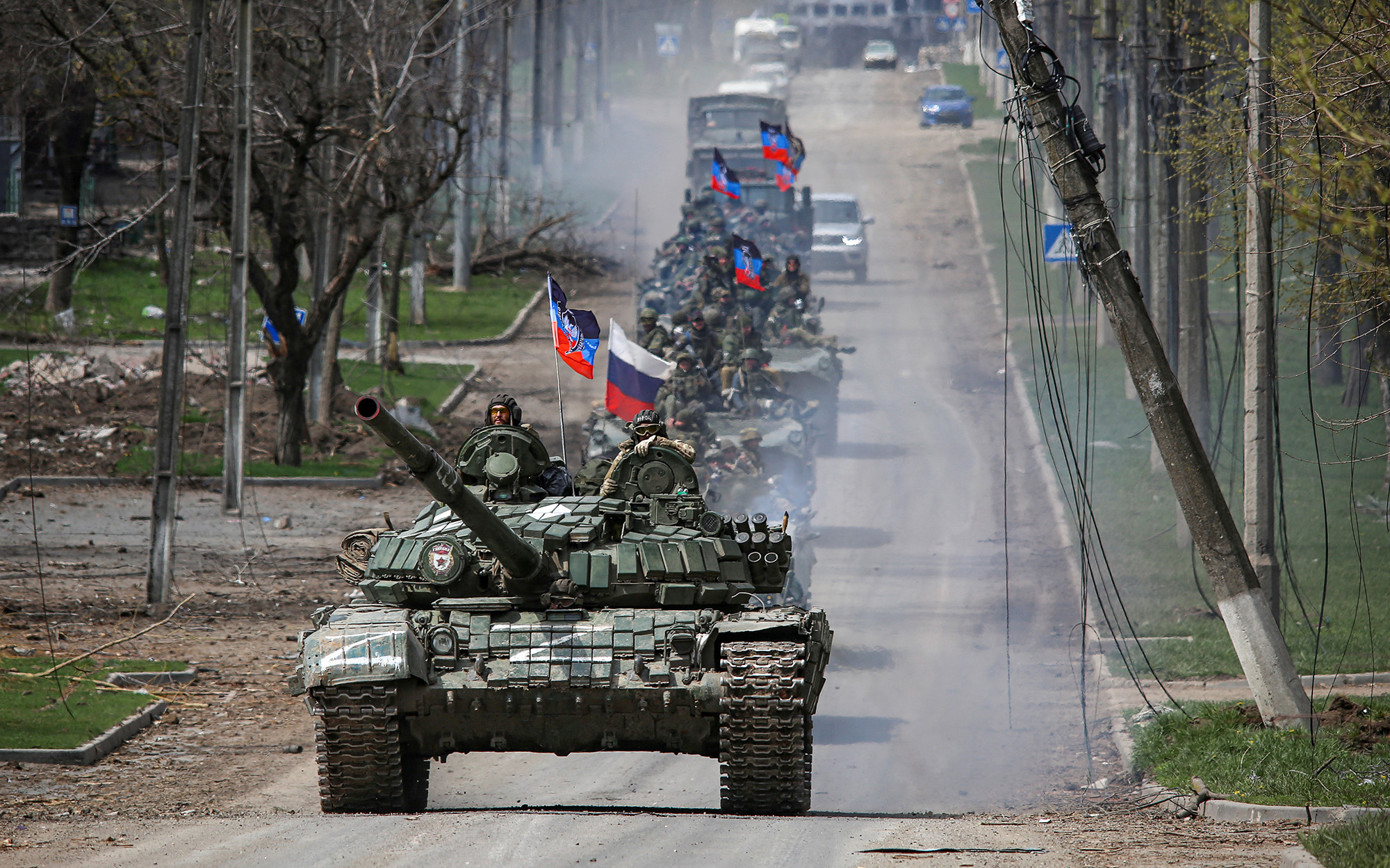
Here we are, a few days later and no signs of russians taking Kupyansk.
Called hater’s re ed kiss of dearth!
Must be using a special 3-5 day SMO math!!!!

AN OLDIE, BUT A GOODY...
CHARGE!!!
"Make sure you're right........."
"Then give Peegs & Effy a 12 incher-a-piece."
-A-DOODLE-DO!!!!!!!!!

He's still reeling from the fact that Ukraine took it back in 5 days a year ago.
It's okay, Maui looks like the upper Western seaboard after Trump wasted Hillary, but knock yourselves out.

How's the ruble doing?
Here is your "L". You can add it to the pile.
Istanbul says hi.
This Scott Ritter? The one that masturbated with what he thought was a 15 year old girl. (but was a police detective)
AN OLDIE, BUT A GOODY...
CHARGE!!!
-A-DOODLE-DO!!!!!!!!!
GRADE A BAS !!!
Tell it, Da.
Testify!!!
There are currently 5 users browsing this thread. (0 members and 5 guests)
 Posting Permissions